

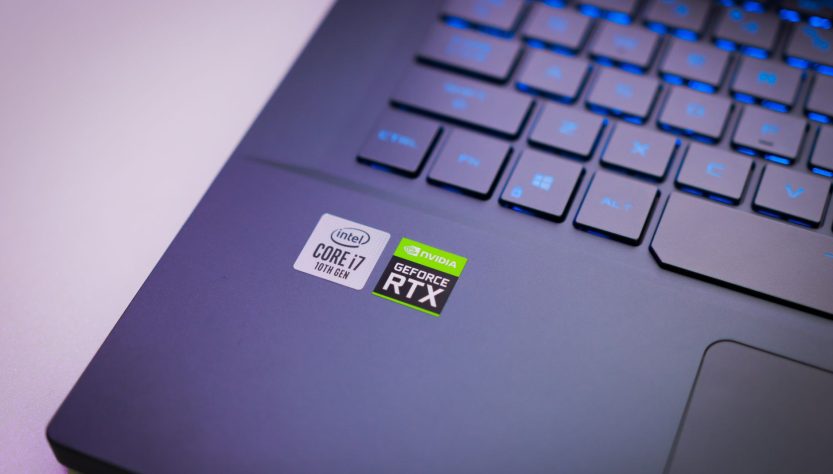
NVIDIA RTX 60 GPUs are stirring excitement in the tech community with rumors of a 2028 launch. This speculation is backed by current memory and price trends that make the timeline seem plausible.
What We Know About NVIDIA RTX 60 GPUs
The latest speculation surrounding NVIDIA RTX 60 GPUs has generated significant excitement among enthusiasts and gamers alike. With rumors of a potential launch in 2028, many are eager to learn more about what these new graphics cards might bring to the table.
One of the key factors contributing to this anticipation is the current trajectory of memory and pricing in the GPU market. As prices stabilize and memory technology advances, NVIDIA is poised to capitalize on these trends with its upcoming RTX 60 series.
- Improved Performance: Early predictions suggest that the RTX 60 GPUs will offer substantial performance boosts compared to their predecessors.
- Enhanced Ray Tracing: Users can expect improved ray tracing capabilities, making games look more realistic than ever.
- AI Innovations: NVIDIA’s continued focus on AI integration could lead to groundbreaking features within the RTX 60 lineup.
As the launch date approaches, more information is likely to emerge, keeping the anticipation alive in the tech community.
Current Memory Trends Impacting NVIDIA
As the tech industry evolves, current memory trends play a crucial role in shaping the future of NVIDIA RTX 60 GPUs. With the increasing demand for high-performance gaming and professional applications, manufacturers are focusing on memory capacity and speed enhancements.
Recent reports indicate a shift towards utilizing GDDR7 memory, which promises higher bandwidth and efficiency compared to its predecessors. This advancement could significantly impact the performance of the RTX 60 series, enabling smoother gaming experiences and faster rendering times.
In addition, the cost of memory modules remains a critical consideration. As prices fluctuate, NVIDIA is likely to adapt its pricing strategy for the RTX 60 GPUs to remain competitive in a saturated market. Analysts suggest that a balanced approach to pricing and performance will be essential for NVIDIA to maintain its leadership in graphics technology.
In summary, the memory landscape is evolving rapidly, and its implications for the upcoming NVIDIA RTX 60 GPUs could redefine user expectations and experiences in the gaming and creative spaces.
The Pricing Strategy for RTX 60 GPUs
The anticipated release of the NVIDIA RTX 60 GPUs has sparked discussions about the pricing strategy the company might adopt. Analysts suggest that NVIDIA could implement a tiered pricing model, allowing for a range of options catering to different segments of the market.
Several factors will influence the pricing:
- Market Demand: As gaming and content creation continue to grow, the demand for high-performance GPUs is expected to rise.
- Competition: With rival manufacturers like AMD pushing their own high-end products, NVIDIA must remain competitive in their pricing to attract gamers and professionals alike.
- Production Costs: The ongoing fluctuations in memory prices and component availability will play a critical role in determining the final retail prices of the RTX 60 GPUs.
Ultimately, consumers are hoping for a balance between performance and affordability. The pricing strategy for the NVIDIA RTX 60 GPUs will be crucial in shaping their success in the market, especially amidst the rapidly evolving landscape of technology.
Why the 2028 Launch Makes Sense
As speculation around the launch of NVIDIA RTX 60 GPUs intensifies, several factors contribute to the reasoning behind a 2028 release. First and foremost, the current trajectory of memory technology suggests that significant advancements will likely arise by this time. High-bandwidth memory and GDDR7 are expected to become standard, providing the performance boost that gamers and professionals demand.
Additionally, the recent developments in AI and machine learning applications have created a growing need for more powerful graphics processing units. By 2028, NVIDIA could capitalize on this demand, ensuring that the RTX 60 series meets the evolving needs of its user base.
Furthermore, NVIDIA’s pricing strategy appears to align with a longer product lifecycle, allowing for a gradual transition to the new generation while supporting their current line of GPUs. This approach mitigates market saturation and enables NVIDIA to maintain a competitive edge.
In conclusion, the 2028 launch of the NVIDIA RTX 60 GPUs not only fits within the context of technological advancements but also aligns with market dynamics that favor gradual innovation.
Photo by Foysal Ahmed on Pexels