

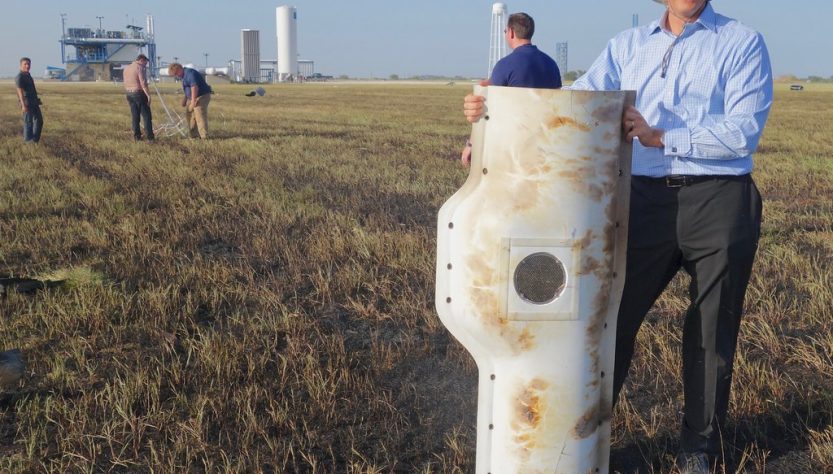
The SpaceX orbital flight test has successfully launched, demonstrating remarkable advancements in aerospace technology. This milestone is a testament to the company’s innovative approach to space travel.
Overview of SpaceX’s Orbital Flight Test
SpaceX’s orbital flight test marks a significant milestone in the evolution of space exploration. This ambitious endeavor is designed to demonstrate the capabilities of the latest advancements in rocket technology and spacecraft design. With the goal of achieving a reliable and reusable launch system, the test aims to pave the way for future missions that could involve crewed flights and interplanetary travel.
The orbital flight test features several key components:
- Innovative Rocket Design: The Falcon 9 rocket, known for its reusability, plays a crucial role in this test.
- Advanced Payload: The mission carries a payload that includes satellites and scientific instruments, showcasing the rocket’s capacity.
- Data Collection: Engineers and scientists are closely monitoring every aspect of the flight to gather vital data for future improvements.
The success of this flight could redefine commercial space travel and solidify SpaceX’s position as a leader in the aerospace industry. As the world eagerly watches, the outcome of this orbital flight test may well determine the future of both SpaceX and space exploration as a whole.
Significance of the Launch in Space Exploration
The significance of the SpaceX orbital flight test extends far beyond its immediate success. This launch represents a pivotal moment in the ongoing evolution of space exploration. As commercial spaceflight becomes increasingly viable, the implications of this test are profound.
First and foremost, the SpaceX orbital flight test demonstrates the potential for private companies to play a crucial role in space missions. By reducing costs and increasing accessibility, SpaceX is paving the way for future endeavors that could lead to crewed missions to Mars and beyond. This shift from government-led initiatives to private enterprises marks a new era in aerospace innovation.
Moreover, the technology developed during the SpaceX orbital flight test could enhance our understanding of space travel. The data collected will contribute to advancements in spacecraft design, propulsion systems, and safety measures. Such insights are invaluable for future missions and can help mitigate risks associated with human spaceflight.
Lastly, this launch underscores the importance of international collaboration. As countries and private entities work together, the possibilities for scientific discovery and exploration expand exponentially. In this context, the SpaceX orbital flight test is not merely a milestone; it is a beacon of what is possible when innovation meets ambition.
Key Features of the SpaceX Rocket
The recent SpaceX orbital flight test showcased several key features that set it apart from traditional launches. These innovations contribute to the rocket’s efficiency and effectiveness in reaching orbit.
- Reusability: One of the most significant advancements is the rocket’s reusability. SpaceX has designed its vehicles to be refurbished and reused multiple times, drastically reducing launch costs and time intervals between flights.
- Powerful Engines: The rocket is equipped with Raptor engines, which provide enhanced thrust and efficiency compared to previous engine models. This technology allows for greater payload capacity and improved performance during ascent.
- Advanced Navigation: The onboard navigation systems utilize cutting-edge technology to ensure precise trajectory adjustments. This feature is crucial for successful deployment of payloads into their intended orbits.
- Innovative Materials: The rocket’s structure incorporates lightweight and durable materials, which contribute to overall performance without compromising safety.
- High Payload Capacity: The SpaceX orbital flight test demonstrated the ability to carry a wide array of payloads, from satellites to crewed missions, showcasing its versatility in space exploration.
These features not only highlight the technological advancements of SpaceX but also its commitment to revolutionizing space travel.
Challenges Faced During the Test
The recent SpaceX orbital flight test faced numerous challenges that tested the limits of the rocket’s design and engineering. As the launch approached, the team encountered a series of technical issues that delayed the countdown. These challenges included:
- Weather Conditions: Unfavorable weather patterns threatened to halt the launch. High winds and unpredictable storms were closely monitored, as safety remained a top priority.
- Technical Glitches: Last-minute checks revealed anomalies in the rocket’s systems. Engineers scrambled to address these glitches, ensuring all components functioned correctly before liftoff.
- Fueling Complications: The fueling process was complicated by equipment malfunctions, leading to a temporary hold in the countdown. This required the team to implement backup procedures to maintain safety and efficiency.
- Regulatory Hurdles: Securing the necessary approvals from aviation authorities proved to be a time-consuming process. The team worked diligently to ensure compliance with all regulations.
Despite these obstacles, the SpaceX orbital flight test ultimately succeeded, showcasing the resilience and ingenuity of the team. The experience gained from overcoming these challenges is expected to enhance future missions.
Future Plans for SpaceX and Beyond
As SpaceX continues to push the boundaries of aerospace innovation, its future plans are closely watched by industry experts and space enthusiasts alike. Following the successful orbital flight test, SpaceX has set its sights on several ambitious projects that promise to redefine space travel.
In the immediate future, the company aims to enhance its Starship vehicle, focusing on increasing payload capacity and reducing turnaround times for missions. Elon Musk, CEO of SpaceX, has emphasized the importance of reusability in space travel, stating that making rockets fully reusable is crucial for the sustainability of interplanetary exploration.
Looking further ahead, SpaceX is planning to embark on missions to the Moon and Mars. Key initiatives include:
- Artemis Program: Collaborating with NASA to return humans to the Moon by the mid-2020s.
- Starship Missions: Preparing for crewed missions to Mars, with the goal of establishing a human presence on the Red Planet.
- Satellite Deployment: Expanding the Starlink constellation to provide global internet coverage.
These projects not only aim to advance human space exploration but also seek to inspire the next generation of scientists, engineers, and dreamers. With the success of the orbital flight test, SpaceX is poised to shape the future of space travel significantly.
Public Reaction to the Launch
The public reaction to the recent SpaceX orbital flight test has been overwhelmingly positive, capturing the imagination of space enthusiasts and casual observers alike. As the rocket soared into the sky, millions watched in awe, celebrating what many consider a pivotal moment in space exploration.
Social media platforms buzzed with excitement, as users shared live streams, stunning images, and personal anecdotes of their experiences during the launch. Many praised the engineering feats achieved by SpaceX, expressing their admiration for the team behind the historic event.
In addition to the excitement, there were some intriguing discussions regarding the implications of this test. Experts and space enthusiasts analyzed the intricacies of the launch, with some declaring it “the best launch ever” due to its successful execution despite the challenges faced. Many pointed out that this SpaceX orbital flight test not only demonstrated technological prowess but also inspired a new generation of scientists and engineers.
- Public engagement through live broadcasts
- Increased interest in STEM fields
- Discussion on future space missions
Overall, the launch has sparked conversations about humanity’s future in space, igniting hopes and dreams for a new era of exploration.
Expert Opinions on SpaceX’s Achievements
Experts from the aerospace industry have weighed in on the recent SpaceX orbital flight test, highlighting its groundbreaking achievements and implications for future space missions. Many believe that this launch marks a significant milestone in the evolution of space travel.
- Dr. Emily Carter, a leading aerospace engineer, noted, “The precision and innovation showcased during the SpaceX orbital flight test set a new standard for all future launches. The technology behind the rocket and its capabilities have opened doors that we never thought possible.”
- Professor John Thompson, a space policy analyst, emphasized the test’s importance for commercial space travel. “This successful test not only demonstrates SpaceX’s engineering prowess but also paves the way for potential collaborations between private companies and government agencies.”
- Dr. Sarah Lee, an astrophysicist, remarked, “The SpaceX orbital flight test is not just a triumph for the company; it represents a leap forward for humanity’s exploration of outer space. The implications for research and science are immense.”
In conclusion, the expert consensus is that the SpaceX orbital flight test not only solidifies the company’s position at the forefront of aerospace technology but also inspires a new generation of innovators and explorers in the field.
By jurvetson via Openverse