

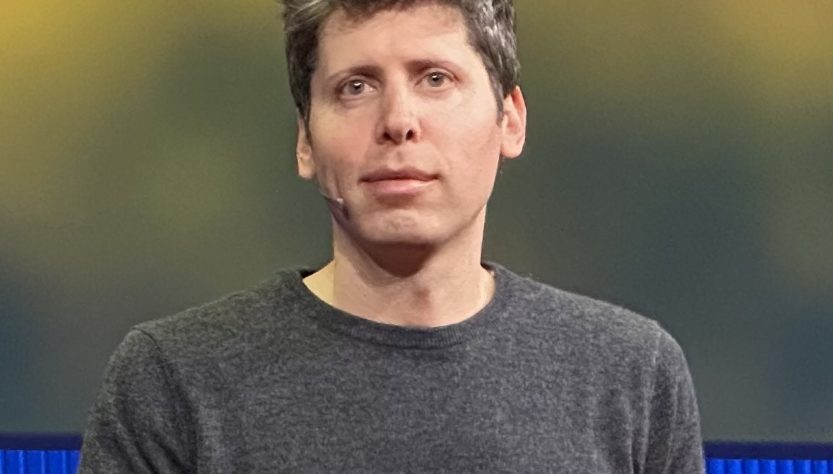
OpenAI AI model safety has become a pressing issue, leading the company to shelve the release of its new AI model over serious concerns.
Understanding the Safety Concerns
OpenAI’s decision to delay the release of its latest AI model has raised significant discussions surrounding AI model safety. The organization aims to address various issues that could potentially arise from deploying advanced AI systems. Understanding these safety concerns is crucial for both developers and users.
Key areas of concern include:
- Bias in AI: AI models can inadvertently learn and perpetuate biases present in training data, leading to unfair outcomes.
- Security Vulnerabilities: Advanced AI systems can be exploited by malicious actors if not adequately secured.
- Misuse Potential: The risk of AI being used for harmful purposes, such as misinformation or automated surveillance, raises ethical questions.
OpenAI is prioritizing rigorous testing and evaluation to mitigate these risks. By focusing on AI model safety, the organization seeks to ensure that the technology benefits society while minimizing potential harm. As the landscape of AI continues to evolve, addressing these safety concerns remains a pivotal challenge.
Impact on AI Development
The decision to delay the release of the new AI model has significant implications for the broader landscape of AI development. As organizations prioritize model safety, they may reconsider their own timelines and strategies. This pause reflects a growing awareness of the importance of OpenAI AI model safety, prompting companies to adopt more rigorous testing and evaluation protocols.
Experts believe that this shift could lead to several key outcomes:
- Increased Collaboration: Companies may collaborate more closely to establish safety standards and share best practices.
- Refined Evaluation Processes: The focus on safety could lead to improved evaluation processes that ensure models are more reliable and less prone to generating harmful content.
- Innovation in Safety Technologies: There may be a surge in innovations aimed at enhancing the safety of AI systems, leading to new tools and methodologies.
Ultimately, while the delay may be seen as a setback, it also serves as a critical reminder of the need for responsible AI development.
Community Reactions to OpenAI’s Decision
In response to OpenAI’s decision to delay the release of its new AI model due to safety concerns, the community has expressed a range of reactions. Many experts in the field of artificial intelligence have voiced their support for the cautious approach, emphasizing the importance of prioritizing safety in AI development. Dr. Emily Chen, a leading researcher in AI ethics, stated, “The safety of AI models is paramount. Rushing to release without proper checks could lead to unintended consequences.”
However, not all feedback has been positive. Some developers and companies relying on AI technologies have expressed frustration over the delay. Mark Thompson, CEO of a tech startup, remarked, “While I understand the need for safety, the prolonged wait hampers innovation and growth in the industry.”
Community forums have also been buzzing with discussions, where users have shared their thoughts on the balance between progress and safety. “OpenAI’s commitment to AI model safety is commendable, but we need to find a way to ensure timely advancements,” commented a frequent contributor to AI discussion boards.
Future of AI Models at OpenAI
As OpenAI navigates the complexities of AI model safety, the future of its upcoming releases remains uncertain. The recent decision to delay a new AI model underscores the organization’s commitment to ensuring that their technologies are both safe and reliable. Industry experts believe that this cautious approach could set a precedent for how AI development proceeds moving forward.
OpenAI’s focus on safety reflects a growing trend among tech companies to prioritize ethical considerations in AI development. The decision to pause the release has sparked discussions about the necessary balance between innovation and responsibility. As concerns continue to mount regarding the potential misuse of AI, OpenAI is actively engaging with stakeholders to address these challenges.
- Enhancing safety protocols
- Incorporating feedback from diverse communities
- Establishing guidelines for responsible AI usage
Looking ahead, OpenAI’s strategy will likely emphasize transparency and collaboration, ensuring that the advancements in AI technology are achieved without compromising public trust.
Comparative Analysis with Other AI Companies
The delay in the release of OpenAI’s new AI model has sparked a comparative analysis with other AI companies and their approaches to model safety. While OpenAI prioritizes safety, other tech giants have adopted different strategies.
Some companies have opted for rapid deployment, emphasizing speed and market share over thorough safety assessments. This has raised questions about the potential risks associated with untested models. In contrast, companies like Google and Microsoft have implemented comprehensive testing protocols, although their methods vary significantly.
- Google: Invests heavily in ethical AI research, focusing on transparent safety measures before public releases.
- Microsoft: Implements strict guidelines and collaborates with external experts to ensure model safety and compliance.
- Meta: Has faced criticism for prioritizing innovation over safety, leading to occasional backlash from the community.
This comparative analysis emphasizes the importance of prioritizing OpenAI AI model safety, as the implications of inadequate safety measures could be far-reaching, affecting not only the companies involved but also society at large.
Expert Opinions on AI Safety
Experts in the field of artificial intelligence have expressed a range of opinions regarding the recent delay in the release of OpenAI’s new AI model, primarily citing safety concerns as a pivotal factor. Dr. Emily Carter, a leading AI ethics researcher, emphasized the importance of prioritizing AI model safety over speed in development. “Rushing to deploy advanced models can lead to unintended consequences that may harm users,” she stated.
Similarly, Professor Mark Liu, an AI safety advocate, pointed out that the decision by OpenAI reflects a growing awareness within the industry about the risks associated with powerful AI systems. “It’s crucial that organizations like OpenAI take the time to ensure their models are safe and reliable before making them public,” he remarked.
Conversely, some industry analysts argue that prolonged delays could hinder innovation. “While safety is paramount, we must also consider the competitive landscape,” warned analyst Sarah Thompson. “The balance between innovation and safety is delicate, and finding it is essential for the future of AI development.”
What This Means for Users
The recent decision by OpenAI to delay the release of its new AI model has significant implications for users. As the company prioritizes AI model safety, users may experience a temporary lack of access to the latest advancements in artificial intelligence. This pause allows OpenAI to address critical safety concerns, ensuring that the models released are both effective and secure.
For users who rely on AI technologies for various applications, this delay might mean waiting longer for enhanced features and improved performance. However, the emphasis on safety could ultimately lead to a more reliable product that minimizes risks associated with AI deployment.
While some users may feel frustrated by the postponement, it is essential to understand that prioritizing safety can lead to greater trust and reliability in AI systems. As OpenAI navigates these challenges, users can also expect increased transparency regarding safety protocols and the developmental process.
In the end, the commitment to AI model safety could foster a more robust ecosystem, benefiting both developers and users in the long run.
Next Steps for OpenAI
As OpenAI navigates the complexities surrounding AI model safety, the organization is outlining its next steps to ensure the integrity and reliability of its technologies. Following the recent decision to delay the release of its new AI model, OpenAI has committed to enhancing its safety protocols and evaluation processes.
Key actions in this initiative include:
- Enhanced Testing: OpenAI plans to implement more rigorous testing phases focused on identifying potential risks and unintended consequences associated with the model’s deployment.
- Stakeholder Engagement: The organization aims to engage with a wider array of stakeholders, including ethicists and industry experts, to gather diverse perspectives on AI model safety.
- Transparency Measures: OpenAI will increase transparency regarding safety assessments and the methodologies used to evaluate AI models.
- Continuous Improvement: The team is dedicated to ongoing iteration and improvement of safety features based on feedback and real-world performance.
By focusing on these areas, OpenAI hopes to address concerns surrounding AI model safety effectively and responsibly.
The recent discussions surrounding OpenAI AI model safety have prompted stakeholders to reconsider the timeline for the release. As developers work to address these OpenAI AI model safety concerns, the focus remains on ensuring a secure and responsible deployment.
By Steve Jurvetson via Openverse