

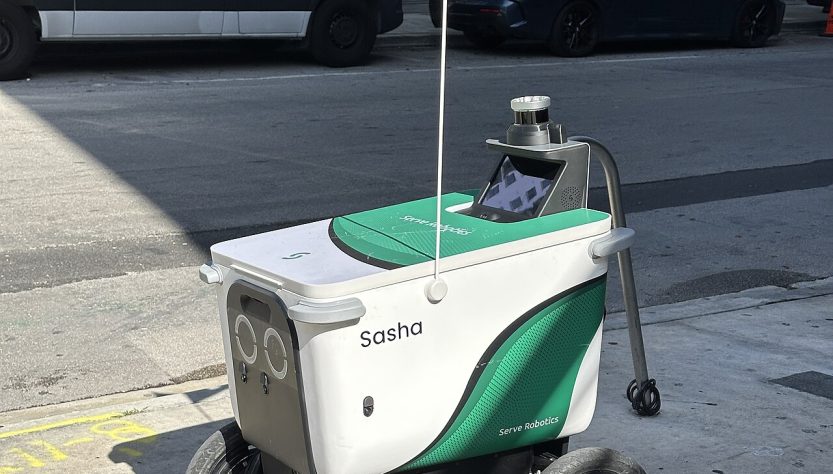
AWS for robots is a game-changer in the tech-apps niche, as Serve Robotics launches a new business aimed at revolutionizing robotic services.
What is AWS for Robots?
AWS for Robots refers to a cloud-based framework and suite of services specifically designed to empower robotic systems and their applications. This innovative approach allows developers and businesses to utilize advanced computing power, machine learning, and data analytics to enhance the functionality and efficiency of robots. By leveraging the cloud, companies can significantly reduce the costs associated with hardware and maintenance, while gaining access to a scalable infrastructure that can grow with their needs.
Robots are increasingly becoming integral to various industries, from logistics to healthcare, and the demand for effective solutions is on the rise. The concept of AWS for Robots provides a pathway for companies to innovate and streamline their operations. Key features of this framework include:
- Scalability: Businesses can easily scale their robotic systems without the need for excessive upfront investments.
- Interoperability: The framework supports a wide range of robotic platforms, allowing for seamless integration.
- AI and Machine Learning: Organizations can implement advanced algorithms to enhance decision-making and automation.
- Data Management: Robust data storage and analytics tools help in monitoring performance and optimizing operations.
In summary, AWS for Robots is not just a technological advancement; it represents a strategic shift that enables businesses to harness the full potential of robotics through cloud solutions.
The Impact of Serve Robotics
The launch of Serve Robotics marks a significant shift in the landscape of robotics and cloud computing. By positioning itself as the AWS for robots, Serve Robotics aims to provide a comprehensive platform that empowers businesses to integrate robotic solutions seamlessly into their operations.
Serve Robotics is set to impact various sectors by offering a range of services designed to enhance efficiency and innovation. Here are some key aspects of their approach:
- Scalability: With a cloud-based infrastructure, businesses can easily scale their robotic operations as demand grows, minimizing capital expenditure.
- Interoperability: Serve Robotics focuses on creating a robust ecosystem that allows different robotic systems to communicate and collaborate, thereby optimizing workflows.
- Data Analytics: The platform provides advanced analytics tools, enabling companies to gain insights from robotic operations and make informed decisions.
- Support and Maintenance: Serve Robotics offers ongoing support, ensuring that businesses can rely on their robotic systems without interruption.
By leveraging the power of AWS for robots, Serve Robotics is not only facilitating the adoption of robotics in various industries but also driving innovation through technology. As more companies recognize the benefits of integrating robotics into their operations, the demand for such platforms is expected to grow significantly.
How AWS for Robots Works
AWS for robots is transforming the landscape of automation and robotics by providing a comprehensive suite of cloud-based tools and services designed specifically for robotic applications. By leveraging the power of Amazon Web Services, developers can create, deploy, and manage robotic systems more efficiently than ever before.
At its core, AWS for robots offers various services that help in the integration of machine learning, data storage, and computational power tailored for robots. This enables businesses to enhance their robotic capabilities without the need for extensive infrastructure investments.
- Data Management: AWS for robots allows seamless data collection and analysis, enabling real-time decision-making and optimization of robotic performance.
- Machine Learning: With AWS, robots can be trained to recognize objects, navigate environments, and learn from their experiences, making them smarter and more efficient.
- Scalability: Businesses can easily scale their robotic solutions based on demand, ensuring that they have the resources needed to meet changing market conditions.
- Security: AWS provides robust security features that protect both data and devices, ensuring that robotic systems operate safely and securely.
As companies like Serve Robotics lead the charge in adopting AWS for robots, the potential for innovation in the robotics industry continues to grow. This strategic approach not only streamlines operations but also paves the way for new business models and revenue streams.
Benefits of Robotics in Business
The integration of robotics in business has proven to be a game changer, enabling companies to drive efficiency and innovation. With the advent of solutions like AWS for robots, organizations can leverage advanced technology to streamline operations and enhance productivity.
One of the key benefits of robotics in business includes:
- Increased Efficiency: Robots can perform repetitive tasks faster and more accurately than human workers, leading to significant time savings.
- Cost Reduction: Automation through robotics reduces labor costs and minimizes human error, ultimately lowering operational costs.
- Enhanced Safety: Robots can handle hazardous materials and perform dangerous tasks, reducing the risk of workplace injuries.
- Improved Data Collection: Robotics equipped with sensors can gather real-time data, providing insights that drive decision-making and strategy.
- Scalability: Businesses can easily scale operations with robotics, adapting quickly to market demands without the need for extensive retraining.
Moreover, the use of AWS for robots allows businesses to access a cloud infrastructure that supports various robotic applications, enabling smoother integration and management of robotic systems.
As more companies recognize these advantages, the adoption of robotics is likely to grow, positioning organizations for future success.
Challenges Facing Robotics Today
The robotics industry is currently facing several significant challenges that could hinder its growth and innovation. One of the primary obstacles is the high cost of developing and deploying robotic systems. This investment can be prohibitive for many businesses, particularly small and medium-sized enterprises that may not have the resources to compete with larger corporations.
Additionally, there is a pressing need for improved interoperability among different robotic systems. Many robots are designed to operate in isolation, which limits their ability to work together in complex environments. Without effective communication and coordination, the potential for automation and efficiency is severely diminished.
Moreover, the rapid pace of technological advancement poses a dilemma for companies in the robotics sector. Keeping up with new developments in artificial intelligence and machine learning is essential, yet it requires continuous investment in research and development. This can be daunting for businesses already stretched thin by existing operational costs.
Another challenge is regulatory compliance. As robotics technologies become more widespread, they are subject to a growing number of regulations aimed at ensuring safety and ethical standards. Navigating this regulatory landscape can be complicated and costly.
Finally, the workforce must adapt to the integration of robotics. Upskilling employees to work alongside robots is crucial, yet it often requires additional training and resources.
In summary, while AWS for robots offers a promising solution to some of these challenges, addressing these issues is vital for the continued advancement of the robotics industry.
Future of Robotics and Cloud Services
The future of robotics is increasingly intertwined with cloud services, particularly as businesses look to leverage the capabilities of AWS for robots. As we advance into a more automated world, the integration of cloud technologies will be crucial in redefining how robots operate across various industries.
One of the most significant developments is the emergence of platforms that offer scalable, on-demand computing resources specifically designed for robotic applications. This will enable developers to create more sophisticated algorithms that can process vast amounts of data in real-time, enhancing the decision-making capabilities of robots.
Moreover, the accessibility of cloud services will democratize robotics, allowing smaller companies and startups to innovate without the need for extensive upfront investments in infrastructure. This shift will likely lead to a surge in creativity and diversity in robotic applications, from delivery drones to autonomous vehicles.
However, as the industry evolves, several trends are expected to shape the landscape:
- Increased Collaboration: Partnerships between tech companies and robotics firms will foster innovation.
- Enhanced Security: As robots become more integrated with cloud services, cybersecurity measures will be paramount.
- Sustainability Focus: Future developments will prioritize energy-efficient solutions, aligning with global sustainability goals.
In conclusion, the convergence of AWS for robots and cloud services represents a pivotal moment for the robotics industry, one that promises to drive innovation and reshape how businesses operate.
Comparing AWS for Robots to Traditional Models
Comparing AWS for robots to traditional models reveals significant advantages that modern businesses can leverage in their operations. Traditional robotics systems often require extensive hardware investments, specialized software, and ongoing maintenance, which can be costly and time-consuming. In contrast, AWS for robots offers a scalable and flexible cloud-based framework that simplifies deployment and reduces overhead costs.
With AWS for robots, companies can access a range of services necessary for robotic functionality without the need for hefty upfront investments. This model allows businesses to:
- Scale operations rapidly: Organizations can easily increase or decrease their robotic capabilities based on demand, minimizing waste and optimizing resource allocation.
- Access advanced technologies: AWS for robots provides access to cutting-edge machine learning and AI tools, enabling robots to learn and adapt in real time.
- Enhance collaboration: Cloud-based solutions facilitate seamless integration between robots and other systems, promoting better communication and operational efficiency.
- Reduce maintenance burdens: With AWS managing the backend, companies can focus on innovation rather than the complexities of hardware upkeep.
Ultimately, the shift towards AWS for robots signifies a transformative approach in the robotics industry, encouraging businesses to adopt more agile and innovative strategies compared to traditional models.
Case Studies of Successful Implementations
Numerous companies have successfully implemented AWS for robots, showcasing its transformative potential in various industries. These case studies illustrate how businesses can leverage the cloud to enhance their operational efficiency and drive innovation.
- Serve Robotics: This company has capitalized on AWS for robots by launching a fleet of delivery robots that utilize cloud-based systems for navigation and order management. By integrating AWS, Serve Robotics can rapidly scale its operations, monitor performance in real-time, and optimize delivery routes, leading to improved service and reduced costs.
- Amazon Robotics: Another prime example is Amazon Robotics, which employs AWS for robots to streamline warehouse operations. By using advanced AI and machine learning algorithms hosted on AWS, Amazon Robotics improves inventory management and increases the speed of order fulfillment, thereby enhancing customer satisfaction.
- AgriTech Innovations: In agriculture, companies like AgriTech Innovations are utilizing AWS for robots to automate tasks such as planting and harvesting. By leveraging cloud services, these robots can analyze data from various sensors, making real-time decisions that improve yield and reduce waste.
These case studies demonstrate how adopting AWS for robots not only fosters innovation but also significantly improves efficiency, allowing businesses to stay competitive in an ever-evolving market.
via Wikimedia Commons
Read the original
JioHome Free Offer: Easy Way to Enjoy Diwali Savings · AI models in India: Three Smart Solutions Launched · AI protein design: The simple way to create proteins