

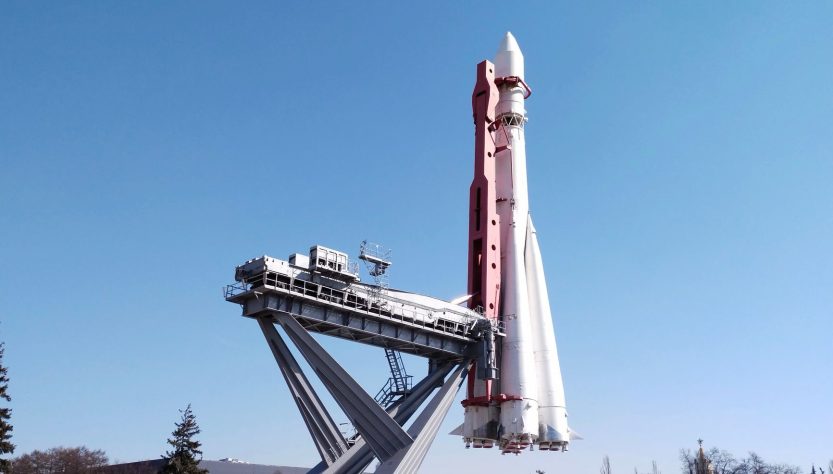
The Soyuz rocket launch successfully deployed a military satellite, marking a significant advancement in Russia’s defense strategy. This event highlights the ongoing developments in space technology and military preparedness.
Overview of the Soyuz Rocket Launch
The recent Soyuz rocket launch marked a significant milestone in Russia’s military capabilities. This event not only showcased the country’s advanced aerospace technology but also underscored its commitment to enhancing national security through space-based assets.
The primary objective of the launch was to deploy a military satellite designed to improve communication and reconnaissance capabilities. The satellite is expected to play a crucial role in gathering intelligence and ensuring efficient coordination among military units.
Experts believe that the successful Soyuz rocket launch reinforces Russia’s strategic positioning in the global arena, as it demonstrates the ability to project power through sophisticated space operations. Key features of the launch included:
- Precise timing and execution
- Advanced satellite technology
- Enhanced military communication systems
Overall, this development highlights the ongoing race for military dominance in space.
Significance of Military Satellites
The significance of military satellites cannot be overstated, especially in today’s rapidly evolving geopolitical landscape. These satellites play a crucial role in enhancing a nation’s military capabilities and situational awareness.
As demonstrated by the recent Soyuz rocket launch, which successfully deployed a military satellite, such technology provides critical services, including:
- Real-time reconnaissance for monitoring troop movements and enemy activities.
- Communications that ensure seamless coordination among military units.
- Navigation and targeting support to improve precision in military operations.
These advancements not only bolster national defense but also contribute to strategic deterrence. The ability to launch and maintain military satellites through reliable systems like the Soyuz rocket highlights a nation’s commitment to modernizing its military infrastructure.
Recent Developments in Space Technology
Recent advancements in space technology have highlighted the strategic importance of the Soyuz rocket launch program. As tensions rise globally, nations are increasingly reliant on military satellites for enhanced surveillance and communication capabilities. The most recent launch, which successfully deployed a military satellite, underscores Russia’s commitment to maintaining its technological edge.
Key developments include:
- Improved Payload Capacity: The latest iterations of the Soyuz rocket have demonstrated enhanced lifting capabilities, allowing for the deployment of more sophisticated military assets.
- Advanced Launch Systems: Innovations in launch systems have reduced turnaround times, enabling quicker responses to military needs.
- International Collaboration: Partnerships with other nations have facilitated knowledge sharing, further advancing space technology.
These developments not only strengthen military power but also impact global security dynamics.
Impact on Global Defense Strategies
The recent Soyuz rocket launch, which successfully deployed a military satellite, has significant implications for global defense strategies. As nations enhance their space capabilities, the balance of military power may shift, prompting a reevaluation of defense tactics worldwide.
Among the key impacts are:
- Enhanced Surveillance: Military satellites provide real-time intelligence, improving situational awareness.
- Global Reach: The ability to monitor adversaries from space allows for strategic advantages.
- Deterrence: A robust satellite network can deter potential threats by showcasing technological prowess.
As countries invest in satellite technologies, the role of the Soyuz rocket launch exemplifies the growing intersection of space exploration and military readiness, necessitating adaptive strategies within global defense frameworks.
Future of Space Exploration and Military Integration
The recent Soyuz rocket launch signifies more than just a routine mission; it marks a pivotal moment in the intersection of space exploration and military strategy. As nations increasingly recognize the importance of space assets, the integration of military capabilities into space programs is becoming paramount.
Future advancements in space technology could lead to:
- Enhanced surveillance capabilities that allow for real-time monitoring of global threats.
- Improved communication systems that ensure seamless connectivity for military operations.
- Advanced missile defense systems positioned in orbit to counter emerging threats.
As countries invest in their space programs, the role of military satellites will undoubtedly evolve, shaping the future landscape of defense strategies. The implications of this shift could redefine power dynamics on Earth and beyond, as nations vie for supremacy not just on land and sea, but also in the cosmos.
Photo by Алексей Антонов on Pexels
References
Related reading
Is Jio’s Three-Year Recharge the Best Digital Plan Yet? · Remote Sensing Satellites: Proven Benefits for Space Exploration · Smartphone price hike: Is it worth the strong demand?