

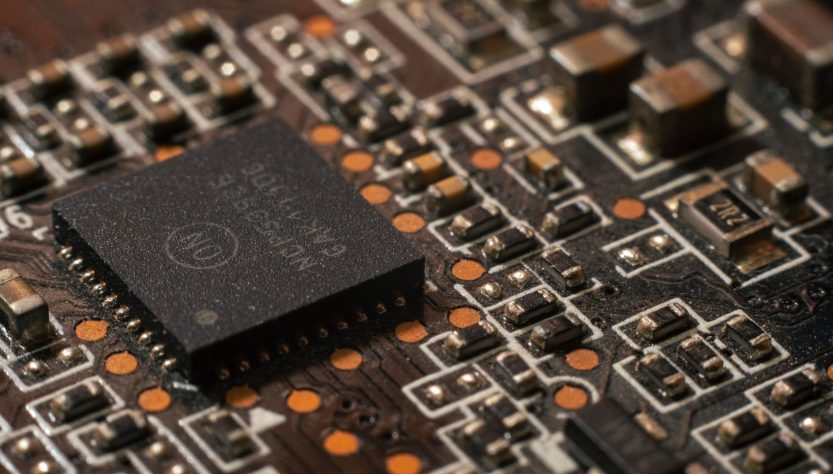
AI chip partnership discussions are currently taking place between Samsung Electronics chairman and Japanese lawmakers, aiming to enhance technological collaboration.
Overview of AI Chip Partnership
The recent discussions between Samsung Electronics chairman and Japanese lawmakers highlight the importance of collaboration in the rapidly evolving field of artificial intelligence. The focus of these conversations centered around the AI chip partnership and its potential to boost technological advancements in both countries.
As AI technology becomes integral to various industries, the need for specialized chips designed to handle complex computations is more critical than ever. This partnership aims to leverage the strengths of both South Korea and Japan in semiconductor manufacturing, fostering innovation and competitiveness on a global scale.
Key points from the discussions include:
- Joint Development: Exploring opportunities for collaborative research and development in AI chip technology.
- Investment Opportunities: Identifying areas for mutual investment to enhance production capabilities.
- Regulatory Support: Discussing frameworks that facilitate smoother cooperation between the two nations.
The potential outcomes of such a partnership could redefine the landscape of AI technology and semiconductor production.
Key Players in the Discussion
In the ongoing discussions surrounding the AI chip partnership, several key players are at the forefront, shaping the future of technology. Among them, Samsung Electronics stands out as a leader in semiconductor manufacturing, committed to advancing AI capabilities through innovative chip designs.
Additionally, Japanese lawmakers play a crucial role in facilitating collaboration between the public and private sectors, ensuring that regulations support growth in this rapidly evolving field. Their involvement underscores the importance of government support in enhancing innovation within the semiconductor industry.
Another significant participant is technology startups, which continuously push the boundaries of AI development. These companies often bring fresh perspectives and agile practices that complement the established giants like Samsung.
The combination of these players creates a robust ecosystem that fosters the growth of AI technologies. With their combined expertise, the potential for breakthroughs in AI chip design is immense, making the AI chip partnership a smart way to collaborate for future advancements.
Impact on the Tech Industry
The recent discussions surrounding the AI chip partnership between major tech players are set to reshape the landscape of the industry. With companies like Samsung Electronics at the forefront, the collaboration signifies a strategic move to enhance innovation in artificial intelligence and semiconductor technology.
This partnership is expected to have several key impacts on the tech industry:
- Accelerated Innovation: By pooling resources and expertise, companies can drive advancements in AI chip development much faster than working independently.
- Increased Competition: As more players enter the AI chip market, competition will likely lead to better products and services for consumers.
- Global Supply Chain Strengthening: Collaborations can help optimize supply chains, ensuring a more resilient infrastructure for chip manufacturing.
- Policy Influence: Joint efforts can lead to more effective lobbying for supportive policies that promote technological growth.
Overall, the AI chip partnership represents a pivotal shift that could redefine traditional roles within the tech ecosystem.
Future of AI and Chips
The future of artificial intelligence (AI) and semiconductor technology is increasingly intertwined, as partnerships in the AI chip sector deepen. As companies leverage advancements in AI to enhance chip performance, the potential for innovation grows exponentially. These collaborations aim to create more efficient, powerful, and versatile chips that can handle the demanding requirements of AI applications.
In this rapidly evolving landscape, we can expect:
- Increased Efficiency: AI chip partnerships are likely to yield chips that consume less power while delivering superior processing capabilities.
- Enhanced Performance: By combining expertise, firms can produce chips that not only support current AI needs but also anticipate future demands.
- Broader Accessibility: Collaborative efforts may lead to more affordable AI solutions, democratizing access to advanced technologies.
As Samsung Electronics and Japanese lawmakers explore this AI chip partnership, they are paving the way for a new era of technological advancement that could redefine the industry.
Regulatory Considerations
As the conversation surrounding the AI chip partnership evolves, regulatory considerations become increasingly critical. Governments worldwide are keen to ensure that advancements in artificial intelligence and semiconductor technology align with national security and economic interests.
In recent discussions, Samsung Electronics chairman and Japanese lawmakers highlighted several key regulatory factors that must be addressed:
- Data Privacy: Ensuring that AI systems safeguard user data and comply with existing privacy laws will be essential for public trust.
- Competition Law: Policymakers must examine how collaborations between major tech companies could potentially stifle competition, leading to monopolistic behaviors.
- Export Controls: Regulations governing the export of advanced semiconductor technologies are crucial in preventing their misuse in various global contexts.
- Environmental Regulations: The production of AI chips often has significant environmental impacts, necessitating compliance with sustainability standards.
Ultimately, navigating these regulatory challenges will be vital for the success of any AI chip partnership and for fostering innovation responsibly.
Benefits of Collaboration
Collaboration in the realm of AI chip partnership brings numerous benefits that can significantly enhance innovation and efficiency. By pooling resources and expertise, companies can accelerate the development of advanced technologies that might not be achievable independently.
Some key advantages of such collaborations include:
- Cost Efficiency: Sharing research and development costs can alleviate financial burdens while maximizing output.
- Increased Innovation: Combining diverse perspectives and skills fosters creativity, leading to groundbreaking solutions in AI and chip technology.
- Faster Time to Market: Collaborating allows for quicker testing and implementation, ensuring products reach consumers sooner.
- Access to New Markets: Partnerships can open doors to new regions and customer bases, expanding the reach of AI chip products.
In summary, the AI chip partnership represents a strategic approach to leveraging collective strengths, ultimately driving progress in the tech landscape.
Conclusion and Next Steps
In conclusion, the AI chip partnership represents a significant opportunity for technological advancement and collaboration across industries. As key players continue to engage in meaningful discussions, the potential for innovation in artificial intelligence and semiconductor technology is immense.
The collaboration aims to accelerate research and development, leading to more efficient and powerful AI chips that can support various applications, from smart devices to complex data processing. The benefits of collaboration are clear, as companies can pool resources, share knowledge, and leverage each other’s strengths to drive progress.
Looking ahead, it is crucial for stakeholders to address regulatory considerations while fostering an environment conducive to innovation. Maintaining open lines of communication among all parties involved will be essential to navigate potential challenges and maximize the benefits of the AI chip partnership.
As the tech industry evolves, the partnership could serve as a model for future collaborations, emphasizing the importance of working together to harness the full potential of AI and semiconductor advancements.
Photo by Ivan Chumak on Pexels