

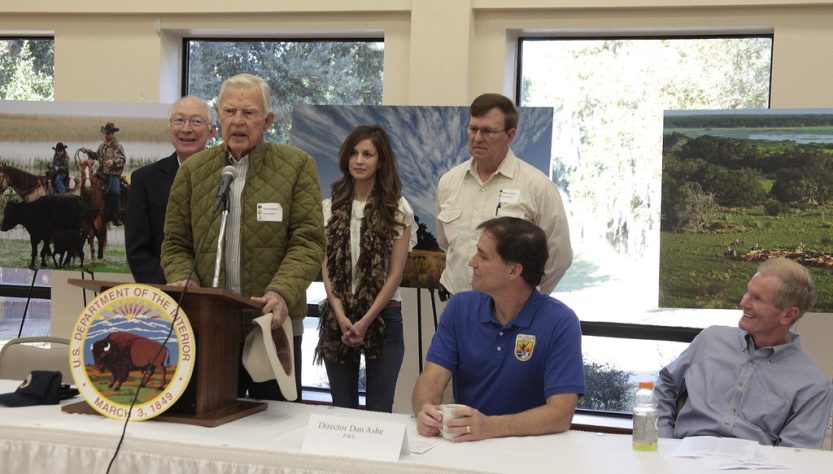
FL U.S. Senate Election results are crucial as they unfold live, showcasing the competition between Moody and Nixon.
Overview of the FL U.S. Senate Election
The FL U.S. Senate Election is shaping up to be one of the most closely watched races in the country as candidates prepare for the upcoming 2026 election. With incumbent Senator Rick Scott opting not to seek re-election, the stage is set for a competitive showdown. The two primary candidates, former Florida Governor Charlie Crist and current Agriculture Commissioner Nikki Fried, have begun to solidify their platforms and engage with voters.
As the election date approaches, various factors will play a crucial role in the candidates’ campaigns. Key issues such as healthcare, climate change, and economic recovery are expected to dominate discussions. Voter turnout will also be essential, especially in a state known for its diverse electorate.
In the midst of the campaign, both Crist and Fried have launched extensive outreach efforts, including town halls and online forums, to connect with constituents. They aim to address the concerns of Floridians while also highlighting their visions for the future. The FL U.S. Senate Election promises to be a pivotal moment not only for the candidates but also for the political landscape of Florida.
As we continue to follow this developing story, updates will be provided on polling, endorsements, and any major shifts in momentum leading up to the election.
Key Candidates: Moody vs. Nixon
The FL U.S. Senate Election is heating up as key candidates emerge in the race. The contest is primarily between Ashley Moody, the current Attorney General of Florida, and Jason Nixon, a prominent state legislator. Both candidates have strong backing and distinct platforms that they intend to push forward as the election date approaches.
Moody has focused her campaign on issues such as public safety, economic growth, and strengthening Florida’s natural resources. She has garnered support from various law enforcement organizations and has emphasized her experience in handling statewide legal matters.
On the other hand, Nixon aims to appeal to younger voters and has prioritized topics like climate change, healthcare reform, and education. His grassroots campaign has mobilized a significant number of volunteers and endorsements from progressive groups.
As the election draws nearer, both candidates are ramping up their efforts to engage voters through town halls, debates, and social media outreach. Polling data indicates a competitive race, with both Moody and Nixon having a chance to secure crucial votes.
The FL U.S. Senate Election promises to be one of the most closely watched contests in the 2026 elections, with implications that could resonate well beyond Florida’s borders.
Live Updates on Election Results
As the FL U.S. Senate Election progresses, live updates are crucial for keeping voters informed about the latest developments and results. The race between current Attorney General Ashley Moody and former Congressman Charlie Nixon has captured the attention of many Floridians, with both candidates vying for the coveted Senate seat.
As of the latest reports:
- Ashley Moody has garnered significant support in rural areas, showcasing a strong conservative base.
- Charlie Nixon is performing well in urban centers, appealing to younger voters and progressives.
- Voter turnout is reported to be higher than in previous elections, indicating heightened interest in the FL U.S. Senate Election.
- Polling stations have experienced long lines, particularly in heavily populated precincts.
Election analysts are closely monitoring the results, as early voting numbers are starting to come in. With the stakes high for both candidates, the outcome will likely influence Florida’s political landscape for years to come. As updates continue to roll in, stay tuned for the latest insights and expert analysis on the FL U.S. Senate Election.
Voter Turnout in Florida
As the FL U.S. Senate Election progresses, voter turnout remains a critical measure of engagement and interest in the race between Moody and Nixon. Recent reports indicate that turnout in urban areas has been notably high, reflecting a strong mobilization effort by both campaigns.
Data from the Florida Division of Elections shows that early voting has exceeded expectations, with a significant increase compared to the previous election cycle. This surge can be attributed to several factors:
- Enhanced Voter Registration: Both parties have ramped up efforts to register new voters, particularly among young and minority populations.
- Increased Accessibility: Many counties have expanded early voting locations and hours, making it easier for residents to participate.
- Heightened Awareness: Campaigns have emphasized the importance of voter participation, leading to a greater public discourse around the FL U.S. Senate Election.
Despite these positive trends, challenges remain. Voter suppression concerns continue to loom, with advocates urging for fair practices to ensure every voice is heard. As Election Day approaches, the focus will intensify on sustaining this momentum and addressing barriers to participation.
Impact of the Election on National Politics
The outcome of the FL U.S. Senate Election is poised to have significant repercussions on national politics. As the results unfold, analysts are closely monitoring how this key race will influence the balance of power in the Senate and shape legislative priorities moving forward.
Given Florida’s status as a swing state, the election results could signal broader trends for the upcoming years. A victory for Moody, who has positioned himself as a proponent of conservative policies, may bolster Republican efforts to maintain control of the Senate. Conversely, a win for Nixon, known for her progressive platform, could energize the Democratic base and signal a shift toward more liberal policies at the national level.
Moreover, the FL U.S. Senate Election could impact key issues such as healthcare, climate change, and economic reform. Voters’ preferences in Florida may reflect national sentiments, making the state a bellwether for future elections.
As political analysts dissect the implications of this election, it is clear that the results will resonate beyond Florida, shaping the national political landscape in 2026 and beyond. The attention on this race underscores its importance in the broader narrative of American politics.
Analysis of Campaign Strategies
The FL U.S. Senate Election has showcased a range of campaign strategies that highlight the candidates’ differing approaches to winning over voters. Moody has focused on a robust grassroots campaign, emphasizing local issues and engaging with constituents through town halls and community events. This approach aims to resonate with voters who prioritize personal connection and accessibility in their elected officials.
Conversely, Nixon has leveraged digital platforms to reach a broader audience, utilizing social media campaigns and targeted advertising to communicate key messages. This strategy reflects a modern approach to campaigning, appealing to younger voters and those who consume news primarily online. Nixon’s campaign has also included high-profile endorsements, which serve to amplify his visibility and establish credibility among undecided voters.
Both candidates have been keenly aware of the importance of voter sentiment, adapting their messages throughout the campaign cycle based on polling data and public feedback. As the FL U.S. Senate Election progresses, analysts will continue to evaluate the effectiveness of these strategies, particularly as they relate to issues such as healthcare, education, and the economy.
- Grassroots engagement vs. digital campaigning
- Local issues vs. national narratives
- Voter sentiment and adaptability
What Voters Are Saying
As the FL U.S. Senate Election unfolds, voters across the state are expressing their thoughts and concerns on various platforms. Many citizens are actively engaging in discussions about the candidates, with a clear divide in preferences becoming evident.
In social media polls, supporters of Moody emphasize his track record on economic issues and his commitment to job creation. One voter noted, “I believe Moody’s policies will drive Florida forward and create more opportunities for our youth.” Others are drawn to his stance on education reform, highlighting the importance of investing in schools.
Conversely, supporters of Nixon are vocal about their admiration for his progressive approach. One passionate voter stated, “Nixon represents change. We need fresh ideas and solutions to tackle climate change and healthcare.” Many voters appreciate his focus on social justice and equity, which resonates with younger demographics.
Across various forums, the importance of turnout is emphasized. Voters are reminding each other to make their voices heard, with one comment reading, “Every vote counts in the FL U.S. Senate Election. Let’s not take this opportunity for granted.” As Election Day approaches, the dialogue continues to intensify, reflecting the high stakes of this pivotal race.
Future Implications of the Results
The results of the FL U.S. Senate Election are bound to have significant implications for both state and national politics. As voters head to the polls, the outcome not only determines Florida’s representation but also influences the balance of power in the Senate.
Historically, Florida has been a swing state, and the results of this election could signal trends for future elections. A victory for Moody might solidify Republican dominance in a pivotal region, while a win for Nixon could energize Democratic efforts nationwide.
Several key factors will shape the implications of this election:
- Policy Directions: The elected senator will play a crucial role in shaping policies, especially on pivotal issues like healthcare and climate change.
- Campaign Strategies: The tactics used by both candidates may set the stage for future campaigns, influencing how parties approach voter engagement.
- Voter Sentiment: Understanding what drove voter turnout can provide insights into the electorate’s priorities and concerns.
As the dust settles, analysts will closely monitor how the FL U.S. Senate Election results reflect broader political trends and what they mean for upcoming elections across the country.
By USFWS/Southeast via Openverse