

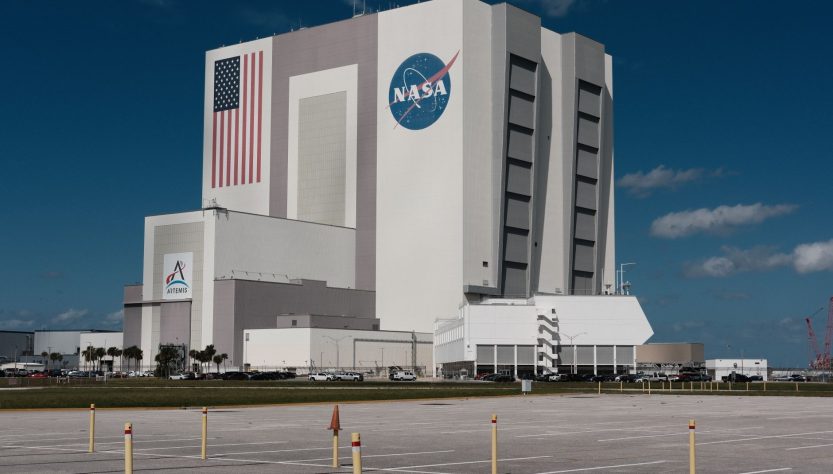
NASA Artemis mission aims to return humans to the Moon by 2028, showcasing the agency’s commitment to lunar exploration and beyond.
What is the NASA Artemis mission?
The NASA Artemis mission is a groundbreaking initiative aimed at returning humans to the Moon and establishing a sustainable presence by the end of the decade. This ambitious program is named after Artemis, the twin sister of Apollo, highlighting its goal of not only revisiting the lunar surface but also paving the way for future exploration of Mars.
One of the primary objectives of the Artemis mission is to land the first woman and the next man on the Moon. This historic step will take place in the lunar south pole region, an area rich in resources and scientific potential. NASA plans to develop advanced technologies and partnerships to support long-term lunar exploration.
The Artemis program is structured around several key components:
- Artemis I: An uncrewed test flight around the Moon to validate the Space Launch System and Orion spacecraft.
- Artemis II: The first crewed mission, which will carry astronauts on a journey around the Moon.
- Artemis III: The mission that aims to land astronauts on the lunar surface.
Ultimately, the NASA Artemis mission seeks to inspire a new generation of explorers and scientists while enhancing international collaboration in space exploration.
Timeline for the Artemis mission
The timeline for the NASA Artemis mission is ambitious yet meticulously planned, aiming to establish a sustainable human presence on the Moon by the end of the decade. Here are the key milestones leading up to the mission:
- 2021: The Artemis I mission, an uncrewed flight test of the Space Launch System (SLS) rocket and Orion spacecraft, is slated to launch. This mission will test critical systems needed for future crewed missions.
- 2023: Artemis II is planned to be the first crewed flight, taking astronauts around the Moon and back to Earth, paving the way for further lunar exploration.
- 2024: Artemis III aims to land astronauts on the lunar South Pole, including the first woman and the next man, marking a historic moment in lunar exploration.
- 2025 and beyond: NASA intends to establish a long-term human presence on the Moon through the Artemis program, which will serve as a stepping stone for future missions to Mars.
The NASA Artemis mission represents a new era in space exploration, aiming to enhance our understanding of the Moon while inspiring future generations of scientists and explorers.
Goals of returning to the Moon
The goals of returning to the Moon through the NASA Artemis mission are multifaceted and aim to advance human exploration beyond low Earth orbit. Key objectives include:
- Establishing a sustainable human presence: The Artemis mission seeks to create a long-term base on the Moon, allowing for ongoing research and development in lunar exploration.
- Utilizing lunar resources: By tapping into the Moon’s resources, such as water ice, NASA aims to support future missions, reduce costs, and enhance sustainability.
- Scientific research: The Artemis program will enable scientists to conduct experiments and gather data that could provide insights into the Moon’s geology and its history, as well as the solar system.
- Preparing for Mars exploration: The technologies and experiences gained from the Artemis mission are expected to inform future manned missions to Mars, marking a significant step in human space exploration.
- International collaboration: By involving global partners in the Artemis mission, NASA aims to foster international cooperation and shared goals in space exploration.
Ultimately, these goals are designed to ensure that the NASA Artemis mission paves the way for humanity’s next giant leap into the cosmos.
Challenges facing lunar exploration
The journey of lunar exploration is fraught with challenges, and the NASA Artemis mission is no exception. As the agency prepares for its ambitious return to the Moon, several hurdles must be addressed to ensure the success of this groundbreaking endeavor.
- Technological Advancements: Developing reliable technologies for lunar landings and long-term habitation is crucial. The Artemis program requires innovations in spacecraft design, life support systems, and sustainable energy sources.
- Funding and Budgeting: Securing consistent funding is vital. Fluctuations in government budgets can impact the timelines and resources allocated to the mission.
- International Collaboration: The Artemis mission aims to involve international partners. Coordinating efforts and aligning goals with various countries can present diplomatic and logistical challenges.
- Environmental Considerations: Understanding the Moon’s environment, including radiation exposure and regolith behavior, is essential for the safety of astronauts and the integrity of equipment.
- Public Interest and Support: Maintaining public enthusiasm and support for lunar exploration is important for ongoing funding and participation. Engaging with the community and showcasing the mission’s benefits can help garner interest.
Addressing these challenges will be pivotal as NASA moves forward with the Artemis mission, aiming to pave the way for sustainable exploration of the Moon and beyond.
Impact on future space missions
The NASA Artemis mission is poised to significantly impact future space missions by establishing a sustainable human presence on the Moon. This initiative not only aims to return humans to lunar soil but also serves as a stepping stone for deeper exploration of Mars and beyond.
One of the primary objectives of the Artemis mission is to develop the necessary technologies and operational capabilities for long-duration space travel. This includes:
- Advanced life support systems: Ensuring astronauts can survive and thrive in extraterrestrial environments.
- In-situ resource utilization: Learning to use lunar materials to support future missions, reducing the need to transport everything from Earth.
- International collaboration: Partnering with other space agencies and commercial entities to foster a global approach to lunar exploration.
Furthermore, the data collected during the Artemis missions will enhance scientific understanding of the Moon’s geology and history. This knowledge will be crucial as humanity prepares for future manned missions to Mars. Overall, the NASA Artemis mission lays the groundwork for a new era in space exploration, inspiring upcoming generations and pushing the boundaries of human capability.
Photo by Lando Dong on Pexels